SAY IT OUT LOUD – be explicit, gosh darnit

This is #2, in a series about real world decisions that shape customer trust. We’ll cover identity, space, messaging, rhtyhm, stewardship and more.
Your space is always talking. The materials, lighting, layout, fixtures, and flow—people read it instinctively.
But there’s a second truth that’s easy to miss:
A great space can still make people guess.
And guessing is expensive.
This post is about the simplest “unlock” we’ve seen for brands you can walk into: stop asking atmosphere to carry the whole story. Pair it with a small amount of explicit, intentional language.
Not louder. Just clearer.
A brand is a conversation. Messaging is your side of it.
We like the word messaging because it’s plain. “Branding” can start to sound like design stuff. Messaging is just… what you’re saying.
In physical spaces, you’re always messaging in two ways:
Implicit messaging
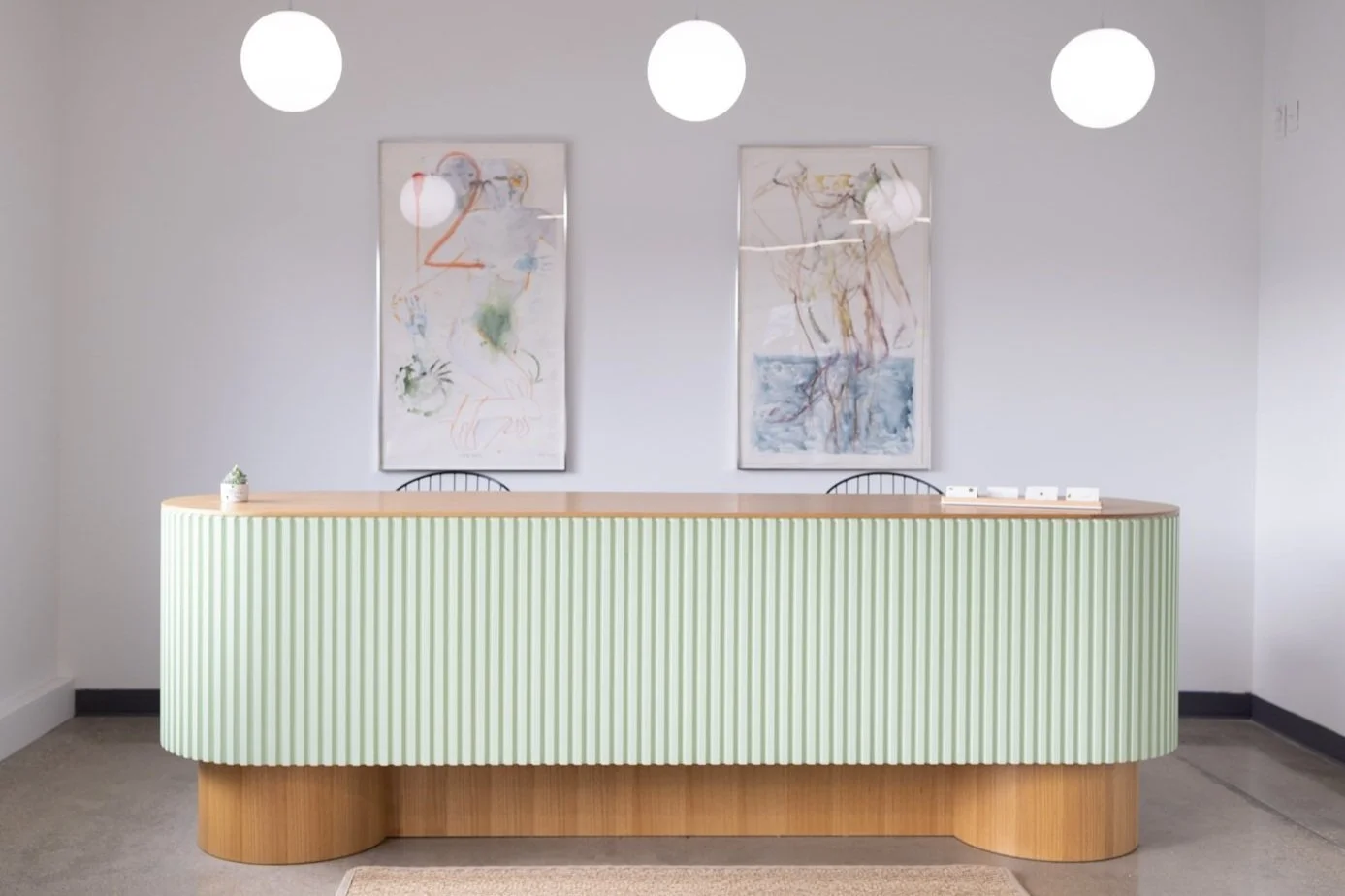
implicit messaging creates atmosphere and feeling
Everything you communicate without saying it out loud:
materials, lighting, music, scent
layout, flow, and friction (is it easy to shop? easy to ask questions?)
the way people are greeted
the way products are displayed
what feels precious vs everyday
what feels serious vs playful

explicit messaging creates clarity.
Explicit messaging
What you literally say:
what you do and who you’re for
what’s different about your offer
what to expect
how to navigate the experience
what to do next
the simple value you provide
Most independent shops are already good at implicit messaging. They have taste. They’ve built a place with a point of view.
But taste doesn’t automatically equal clarity, especially to a first-time customer who doesn’t know you yet.
Explicit messaging isn’t loud. It’s generous.
When people hear “messaging,” they imagine walls of copy. That’s not what we mean.
Explicit messaging can be one sentence in the right place.
Not a slogan for the sake of it. A handhold.
Something a new customer can grab in the first ten seconds that answers:
What is this place?
Is it for me?
Why should I care?
What do I do first?
If those answers are only implied, you’re asking strangers to do a lot of work.
And strangers usually won’t.
Implicit messaging creates feeling.
Explicit messaging creates clarity.
Brands you can walk into need both.
The quickest win for most spaces: stop hinting and start naming
If you want a practical test, here are four quick questions:
Can a first-time customer tell what you’re about in under 20 seconds?
Not everything you sell, what the place is for.Are you relying on aesthetics to explain the value?
A beautiful space helps. But it doesn’t always explain why you exist.Could a stranger describe your shop accurately to a friend?
If they can’t, your message is too implied.Do your signs guide the experience or mostly decorate it?
Decor is allowed. Confusion is expensive.
This isn’t about turning your space into an advertisement. It’s about removing friction so your actual taste and curation can be felt.
A real example: Herculean
One of our favorite examples of this is Herculean.
The goal wasn’t “make it luxury.” It was make it clear, especially as the business evolved and expanded beyond a narrower “fitness/macros meal prep” perception into a broader promise: make good meals easy.
In a category where a lot of brands try to communicate through vibe and implied cues, one of the most impactful moves was shifting toward stated value, making the benefit explicit, not just implied.
There’s a big difference between suggesting “food” with a graphic cue… and saying something clear about what you offer and why it matters (for example: a simple promise about speed, convenience, or outcomes).
When the promise is named plainly, everything else gets easier:
signage has hierarchy
the space becomes easier to navigate
the experience feels more confident
the brand can reach a broader audience without losing itself
The pattern: say the point of the place out loud, then let the space support it.


Before: knives! logo, logo again!
After: Value through easy to understand phrases: “4 minute Meals” + “Easy, Healthy, Protein”
HERCULEAN saw a pretty immediate jump in traffic at their original retail location by changing just the messaging on their windows. As part of a larger brand, messaging and spatial update, it was an easy and affordable first investment in the re-brand rollout.
Where explicit messaging belongs (without making your shop feel like an ad)
If you want to keep things minimal and tasteful, these are the three places we look first:

Window, entry, or the first sightline after the door. One sentence.
Not a list. Not an identity statement. A clear promise or point of view.
The point
If your space is implicit messaging, explicit messaging is you being kind to the customer.
You’re not watering anything down. You’re not making it generic. You’re giving people a handhold so they don’t have to decode you.
Because the goal isn’t for people to think, “cool shop.”
The goal is for the right people to think: “This is for me.”